Followers

Showing posts with label Art. Show all posts

Tuesday, December 19, 2023

The art of enduring through the harshest times


In a secluded land nestled amidst towering mountains and lush forests, there existed a community known as the "Remanites." They were a group of individuals revered for their profound understanding of resilience, adaptation, and the art of enduring through the harshest of times.


Chapter 1: The Origins

Legend has it that centuries ago, the Remanites emerged from a period of great turmoil. Their ancestors faced cataclysmic events that tested their will and strength. Through their collective wisdom and unity, they not only survived but thrived amidst the chaos, learning invaluable lessons of resilience.


From this adversity, a philosophy was born—a philosophy that centered around the core principles of adaptation, perseverance, and embracing change. The Remanites believed that only by accepting the inevitability of change could one truly endure the trials of life.


Chapter 2: The Way of the Remanites

The Remanites lived in harmony with nature, attuned to its rhythms and cycles. They built their settlements atop the mountains, where they could observe the ever-changing landscape and draw inspiration from the resilience of the natural world.


Their philosophy was a tapestry woven with threads of adaptability and innovation. They taught their children the art of resourcefulness, imparting knowledge passed down through generations on how to cultivate resilience in the face of adversity.


Chapter 3: Trials and Tribulations

Throughout history, the Remanites faced numerous challenges. From harsh winters that tested their ability to endure scarcity to environmental upheavals that threatened their settlements, they remained steadfast in their beliefs, drawing strength from their collective resilience.


Their philosophy was not one of stoic endurance but of embracing change with open arms. They adapted their lifestyles, technologies, and societal structures to meet the evolving needs of their community.


Chapter 4: The Wisdom of the Remanites

Central to the philosophy of the Remanites was the belief that change, though often daunting, was an opportunity for growth. They taught their people to cultivate a flexible mindset, to be like the supple reed that bends but does not break in the face of the storm.


Their teachings emphasized the importance of learning from hardships, recognizing that each challenge held within it a seed of opportunity for personal and collective evolution. They celebrated resilience not as a static trait but as a skill honed through experience and wisdom.


Chapter 5: The Legacy

As time passed, the Remanites' philosophy spread far and wide, earning admiration and respect from neighboring communities. Travelers sought their guidance, drawn by tales of their unwavering resilience and ability to navigate life's trials with grace.


Though their numbers dwindled with each passing generation, the legacy of the Remanites endured. Their philosophy became a beacon of hope for those facing adversity, a guiding light in the darkest of times.


Epilogue: Resilience Beyond Time

The tales of the Remanites lived on in folklore and stories passed down through the ages. Their philosophy of resilience, adaptability, and embracing change echoed through the annals of history, reminding humanity of the enduring power of the human spirit to withstand the tests of time and emerge stronger than before.

The tale of the Harmony Keepers


In a land blessed by diversity, there existed a community known as the "Harmony Keepers." They were revered for their profound understanding of faith, respecting the richness of various religions, while championing the freedom for individuals to live their lives according to their beliefs.


Chapter 1: The Tapestry of Faith

The Harmony Keepers resided in a vibrant city nestled at t
he crossroads of ancient trade routes. Here, people of different faiths—followers of myriad religions and beliefs—coexisted harmoniously. The city's tapestry was woven with threads of spirituality, each thread representing a unique faith.


The Harmony Keepers' ancestors, recognizing the beauty in diversity, established a society where the freedom to practice one's faith was sacrosanct. They believed that the richness of the city lay not in uniformity but in the kaleidoscope of beliefs that adorned its streets.


Chapter 2: The Temple of Understanding

At the heart of the city stood the fabled Temple of Understanding, a majestic structure adorned with architectural marvels inspired by various religious traditions. Here, the Harmony Keepers congregated, not to worship a single deity, but to celebrate the unity in diversity.


The Temple served as a sanctuary—a place where scholars, philosophers, and seekers of truth gathered to engage in discourse, share wisdom, and deepen their understanding of each other's faiths. It was a living testament to the coexistence of beliefs.


Chapter 3: The Philosophy of Tolerance

The Harmony Keepers believed in the sanctity of individual beliefs and the freedom to practice one's faith without fear of persecution or judgment. Their philosophy was rooted in empathy and respect, understanding that diversity in faith was a treasure to be cherished, not a source of division.


They taught their children the importance of embracing differences, fostering a culture of inclusivity and mutual respect. Their elders shared stories of unity, emphasizing the common values that transcended religious boundaries—love, compassion, and kindness.


Chapter 4: Challenges and Triumphs

The Harmony Keepers faced challenges, for the world beyond their city's walls was often marred by conflicts fueled by religious differences. Yet, within their community, they remained steadfast in their commitment to fostering harmony and understanding.


During times of tension, they stood as beacons of hope, advocating dialogue and mutual understanding. They organized interfaith gatherings, where prayers from different traditions resonated in harmony, echoing the unity amidst diversity.


Chapter 5: The Legacy of Harmony

As the years passed, the philosophy of the Harmony Keepers reverberated far beyond the confines of their city. Travelers sought refuge within their walls, inspired by the community's commitment to respecting diverse beliefs while fostering a shared sense of humanity.


The stories of the Harmony Keepers became legends, inspiring other societies to embrace tolerance and celebrate the richness of religious diversity. Their legacy stood as a testament to the possibility of coexistence and unity amidst the myriad faiths that adorned the tapestry of humanity.


Epilogue: A Tapestry of Hope

The tale of the Harmony Keepers continued to echo through the corridors of time, reminding future generations of the beauty found in respecting diverse beliefs. Their city remained a symbol of hope—a sanctuary where the faithful, regardless of their creed, found solace in the embrace of acceptance and understanding.

Thursday, December 30, 2021

How to Cut a T Shirt Into a V Neck

 V-necked collars are very flattering on most people. They draw the eye toward the face and elongate the body. You can turn any crew-necked t-shirt into a v-neck using a seam ripper, fabric scissors, pins and some basic sewing skills.


1. Measuring the New Neckline

    - Gather your materials. To complete the project, you will need a crew-necked shirt, a ruler or measuring tape (if using a tape measure, you'll also need a separate straight edge), stick pins, a fabric marker, fabric scissors, a seam ripper, thread the same color as your shirt, a sewing machine or sewing needle.

     Measure the V. An easy way to do this is to use a V-necked shirt that you like as a guide. Fold the shirt vertically in half, making sure that the shoulders line up. Lay it flat on a table.Then use a ruler to measure the distance from the point where the collar meets the shoulder seam to the point of the V. Write down this measurement.

  • If you don't have another v-necked shirt, you'll have to estimate how deep the V should be. In this instance, it's better to start conservatively as you can always make it deeper.
  • You may want to try on the shirt to gauge how deep you want the V. While wearing the shirt, look in the mirror and mark the spot you'd like the point of the V with a pin.

     Fold your crew-neck shirt vertically. The front of the collar should be on the outside of the fold. Make sure that the neckline, the shoulders and the arms match up exactly. Lay it out on a table, smoothing it down until it is free of wrinkles.

     - Trace the V. Place a ruler in a diagonal line from the the point where the shoulder seam meets the collar down to the middle of the chest. Using the measurements you took in the previous step, mark off the point of the "V" with a fabric marker. Then draw a line between the mark and the point where shoulder seam meets the collar.
  • Flip the shirt over and repeat this step on the other side.

2. Removing the Collar and Cutting the V-Neck

    Remove the stitches. Unfold the shirt, turn it inside-out and lay it on the table. Make sure that the front side is facing you. Then use a seam ripper to remove the stitches securing the front side of the collar to the shirt.
  • If you don't have a seam ripper, you can use a sharp pair of scissors to carefully cut it away.
  • Stop at the shoulder seams. Unless you don't plan to re-attach it to your new neck-line, leave the collar attached to the back of the shirt.

    Smooth the crew-neck shirt out on the table. Make sure the connected collar is folded back, away from where you will cut. Doing so ensures the smoothest and straightest cuts and helps you avoid mistakes.

    Cut out the V-neck. Starting on one side of the V, use a pair of sharp scissors and cut along the marked line. Stop when you reach the bottom. Repeat this process on the other side. Be careful to only cut through the front side of the shirt.
  • If you didn't plan on creating a hemmed collar, your new shirt is done.

3. Attaching the Collar

    Cut the front of the detached crew collar in the center. You'll need to first determine where the center is. To do this, lay the t-shirt flat with the front facing you. Measure the width of the collar, and using your fabric marker place a dot in the middle. This is where you will cut.

    Stretch each side of the cut collar along the length of your V-neck. Most crew-neck t-shirt collars are ribbed and should give several inches.

    Pin the rough edge of the collar to the shirt. Stretch one side at a time along the length of the V, pining as you go. Place pins approximately every inch (2.5 cm) to make sure the collar stretches and stays before you sew it. [3] Do the same thing on the other side.
  • The rough edge of the collar should be paired with the rough edge of the t-shirt, with the edge of the collar facing the outside of the shirt.

    Sew from the top of the collar down to the bottom of the V. Sew approximately a quarter inch (0.6 cm) from the edge of the two layers.[4] When you sew down the second side of the collar, stop just a little before you get to the V and sew that end to the back of the first side. Finish by pressing the new hem down with an iron.
  • Make sure the thread in your sewing machine matches the color of the shirt.
  • If you don't have a sewing machine, you can also hand sew the sides of the collar to the sides of the V.

Sources : https://www.wikihow.com/Cut-a-T-Shirt-Into-a-V-Neck


Monday, March 8, 2021

Pilihan tanaman hias yang cantik

Kegiatan bercocok tanam menjadi sebuah hobi baru yang banyak digandrungi oleh masyarakat. Hal ini disebabkan oleh pandemi corona yang membuat masyarakat memiliki waktu luang dan memanfaatkan waktu tersebut untuk bercocok tanam. 

Berikut jenis tanaman hias yang diprediksi menjadi tren di tahun kerbau logam ini :

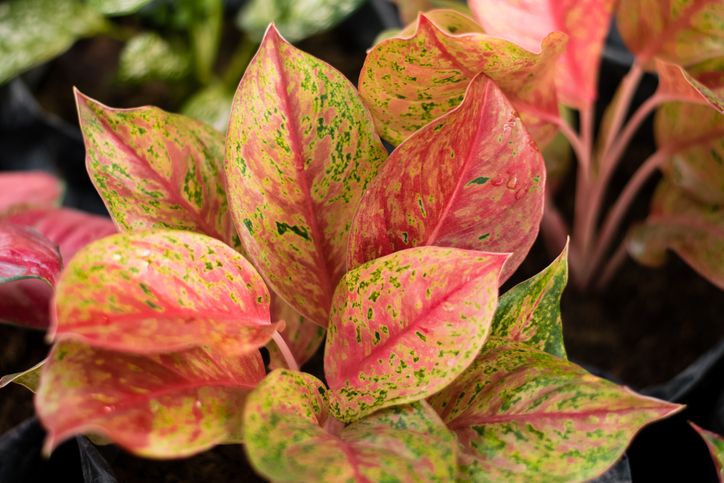
1. Aglonema

Bentuknya yang unik disertai dengan corak indah di daun membuat tanaman ini banyak diburu oleh orang.Hal ini dikarenakan jenis aglonema tersebut memiliki ciri khas di corak serta daunnya yang langka. 


2. Fishbone Cactus

Fishbone cactus atau kaktus tulang ikan merupakan tanaman asal hutan hujan Meksiko. mempunyai bentuk batang yang panjang dan pipih seperti tulang ikan. Jenis tanaman ini cocok banget untuk kamu yang enggak mau ribet.


3. Caladium

Jenis tanaman yang lebih dikenal dengan nama keladi ini memiliki bentuk daun yang unik, yaitu berbentuk hati dengan warna daun yang super cantik.


4. Bunny Ear Cactus

kaktus telinga kelinci atau Bunny Ear Cactus bisa dibilang cukup unik, Bela. Pasalnya, ia tidak memiliki bunga dan daun yang cantik. Namun, bentuk batang yang menyerupai telinga kelinci menjadi keunikan tersendiri dari tanaman ini. 


5. Chinese Money Plant

anaman Chinese Money Plant mempunyai keindahan bentuk yang bisa difungsikan sebagai pemanis ruangan.Hal ini dikarenakan tanaman yang daunya berbentuk bulat dan mengilap ini akan berbungan dengan warna merah muda di saat musim panas. 


6. Blue Star Fern

tanaman Blue Star Fern yang merupakan tanaman tropis. Jenis tanaman pakis ini membutuhkan kadar kelembapan yang tinggi yang membuat tanaman ini sangat cocok bila ditempatkan di kamar mandi. 


7. Velvet Calathea

Tanaman asal hutan hujan Amerika Tengah dan Selatan ini memiliki dedaunan yang bewarna gelap yang bisa memberikan kesan eksostis di tiap sudut rumah. tanaman ini sangat menyukai cahaya dan kehangatan.

Sources : popbela.com

Sunday, October 18, 2020

Cara Membuat Musik dan Lagu


Seorang musisi saat ini dengan mudah mendistribusikan lagunya via internet streaming, upload, atau pun Share it pada era digital. keindahan dan ketepatan Lyric merupakan faktor utama dalam memulai sebuah lagu. bila hal tersebut sudah bisa didapatkan maka dengan sendirinya semakin mudah untuk membuat sebuah karya yang di sukai. 


Musik adalah suara yang disusun sedemikian rupa sehingga mengandung irama, lagu, nada, dan keharmonisan terutama dari suara yang dihasilkan dari alat-alat yang dapat menghasilkan irama. Walaupun musik adalah sejenis fenomena intuisi, untuk mencipta, memperbaiki dan mempersembahkannya adalah suatu bentuk seni. Mendengar musik adalah sejenis hiburan. Musik adalah sebuah fenomena yang sangat unik yang bisa dihasilkan oleh beberapa alat musik.

Pengertian Musik Menurut Para Ahli

  • Jamalus (1988, 1)

Perpendapat bahwa musik adalah suatu hasil karya seni bunyi dalam bentuk lagu atau komposisi musik yang mengungkapkan pikiran dan perasaan penciptanya melalui unsur-unsur musik yaitu irama, melodi, harmoni, bentuk dan struktur lagu dan ekspresi sebagai satu kesatuan.

  • Rina (2003,9)

Setuju dengan pendapat bahwa musik merupakan salah satu cabang kesenian yang pengungkapannya dilakukan melalui suara atau bunyibunyian.

Manfaat Musik

Dari perspektif filsafat, musik diartikan sebagai bahasa nurani yang menghubungkan memahaman dan pengertian antar manusia pada sudut-sudut ruang dan waktu, di mana pun kita berada. Oleh karena itu Nietzsche, seorang filsuf Jerman, meyakini bahwa musik tidak diragukan dapat memberikan kontribusi yang positif bagi kehidupan manusia. Sehubungan dengan itu ia mengatakan: “Without music, life would be an error.” Dalam kenyataannya musik memang memiliki fungsi atau peran yang sangat penting sehingga tidak satupun manusia yang bisa lepas dari keberadaan musik.


Lagu merupakan gubahan seni nada atau suara dalam urutan, kombinasi, dan hubungan temporal (biasanya diiringi dengan alat musik) untuk menghasilkan gubahan musik yang mempunyai kesatuan dan kesinambungan (mengandung irama). Dan ragam nada atau suara yang berirama disebut juga dengan lagu.

  • Collins Dictionary

Menurut Collins Dictionary, lagu adalah bagian dari musik, biasanya menggunakan teks verbal, diciptakan untuk dinyanyikan, terutama ditujukan untuk penampilan solois. Definisi di atas menjelaskan mengenai latar belakang penciptaan lagu yang memang dikomposisikan menggunakan teks verbal dengan tujuan untuk ditampilkan.

  • Przbylek

Przybylek  mengungkapkan bahwa lagu adalah musik pendek, biasanya dengan kata-kata. Ini menggabungkan melodi dan vokal, meskipun beberapa komposer telah menulis lagu instrumental, atau karya musik tanpa kata-kata yang meniru kualitas suara dari nyanyian. Kata-kata dari sebuah lagu disebut lirik. Secara jelas Przybylek mengungkapkan kembali bahwa lagu merupakan bagian dari musik dan lirik adalah bagian dari sebuah lagu. 

Tahapan membuat lagu merupakan hal terpenting sebagai pendahuluan, yaitu :

1. Inspirasi


    Buku, Pembicaraan dengan teman, dan pemandangan alam atau sekitar yang membuat perasaan menjadi lebih santai dapat memajamkan kreativitas dalam proses pembuatan sebuah lagu. riset lainnya seperti pengalaman juga menjadi faktor kunci sebagai penyusunan lyric agar hidup dalam pikiran yang mudah diingat dan mudah ducapkan.

2. Lyric

    Setelah mendapatkan inspirasi, kalian bisa menentukan apa yang akan dinyanyikan dengan ekspresi rendah tinggi maupun dari tinggi ke rendah. lyric merupakan faktor kunci untuk menampilkan ide dalam sebuah lagu. lyric bisa terlupa bila tidak ditulisakan ke dalam catatan, oleh karena hal tersebut baiknya bila sudah menemukan kata demi kata yang tepat segera langsung di rekam dan ditulis agar tidak lupa.

3. Menentukan struktur lagu

    Struktur lagu dibedakan menjadi beberapa bentuk yaitu : 

  • Intro atau Introduction merupakan bagian awal dari sebuah lagu. umumnya intro diisi dengan permainan instrumen atau vocal suara. 
  • Verse  atau Bait merupakan cerita - cerita dalam sebuah lyric. umumnya dalam satu lagu terdiri dari beberapa bait dengan melodi yang sama dengan isi pesan yang jelas disampaikan oleh seorang musisi.
  • Pre-Chorus merupakan pengantar yang berdurasi pendek berfungsi sebagai pendahuluan sebelum chorus.
  • Chorus yaitu puncak dari sebuah lagu dengan lyric yang mudah diingat saat bagian awal dan akhir. merupakan pesan utama dalam sebuah lagu dan paling ditunggu - tunggu sebagai kesimpulan lebih sederhana dan biasanya berisi pengulangan atas beberapa kata.
  • Bridge menjadikan lagu supaya lebih hidup dengan melodi berbeda, untuk menjembatani bagian - bagian dalam sebuah lagu. 
  • Interlude merupakan bagian dalam sebuah lagu yang tidak berisi lyric, melainkan nada pada pertengahan lagu untuk menghubungkan bait atau  saat masuk kedalam chorus.
  • Ending atau bagian akhir dari sebuah lagu untuk mengakhiri dengan biasanya menggunakan efek fade out, lyric penutup, atau instrumen musik tanpa lyric lagu.

4. Membuat Nada

    Menentukan nada dasar untuk mengetahui vocal yang sesuai, menentukan nada, penyesuaian dengan lyric yang akan dibuat. Dinamika atas ketiga hal tersebut adalah baik untuk lagu terdengar lebih variatif dan tidak membosankan.


Setelah cara membuat lirik lagu di atas dipahami dan dipraktikkan, proses terakhir yang perlu dilakukan adalah meminta saran kepada orang lain.Apabila ada yang perlu direvisi, silakan kamu mempertimbangkan lagi dan sesuaikan ulang.Hal ini memang kerap terjadi, sampai benar-benar mendapatkan lagu yang sempurna.

Source: Collins Dictionary, Przybylek, dosenpendidikan.co.id

Monday, September 14, 2020

Pemberdayaan bahan makanan untuk konsep minuman

Pada awalnya sesuatu yang enak itu merupakan hasil dari tanggapan manusia yang pernah mencoba dan berulang kali merasakannya tanpa merasa bosan. Pandemi covid-19 saat ini, banyak masyarakat khususnya di Indonesia yang kehilangan lapangan pekerjaan. tidak bisa mencari nafkah dengan adanya aturan yang melarang saling berdekatan, berkumpul, dan pergi keluar rumah dengan alasan akan terkena covid-19. 

Oleh karena itu, adanya ide kreatif dan konsep yang bisa membuat manusia survive dalam menghadapi ketidakpastian ini adalah sangat dicari untuk keberhasilan hidup mereka. Salah satunya pada tulisan ini yaitu " pemberdayaan bahan makanan untuk konsep minuman".  

Ide yang terbuat kali ini adalah minuman pelopor bernutrisi yang diambil dari bahan makanan yaitu jagung manis. dibuat dengan penggabungan rasa manis dari jagung itu sendiri dengan tambahan cream dan ice cream yang bila di rasakan akan menciptakan cita rasa enak yang alami.

Pennyajian yang sesuai dengan daya beli masyarakat adalah kunci utama yang menjadikan suatu ide dapat diterima oleh masyarakat itu sendiri. Peritungan yang terperinci atas sebuah ide yang komprehensif dengan tidak mengurangi kualitas dan rasa, merupakan penyajian yang paling efficient dan effettive, untuk ide dapat meningkat cepat namun konsisten dalam menjalaninya.

Bahan makanan yang baik digunakan adalah bahan makanan bernutrisi dan kaya akan vitamin. disebabkan untuk menambah ketahanan daya tubuh masyarakat dalam menghadapi covid-19 ini. selain konsep yang diberikan masyarakat juga mendapatkan keuntungan yang lebih berharga yaitu kesehatan.

Jagung manis pada konsep bahan makanan ini mempunyai kandungan karbohidrat yang tinggi yang dapat mengahalau lapar. Cocok bagi masyarakat yang sedang diet untuk menurunkan berat badan. selain itu rasanya manis juga kaya akan nutrisi yang sangat penting untuk kesehatan tubuh.       

Satu produk yang sudah menjalani ide ini dengan cukup baik adalah KING CORN INDONESIA Konsep minuman yang berasal dari Indonesia yang mengolah minuman jagung manis bernutrisi dengan cita rasa enak yang alami. 

Adanya kesadaran akan kebutuhan nutrisi dan vitamin saat ini, menjadikan KING CORN INDONESIA semakin diminati. Dengan harga yang komprehensif sesuai dengan daya beli masyarakat, sesuai dengan apa yang kedepannya akan didapatkan yaitu "Kesehatan", menjadikan persaingan dalam konsep minuman dapat beradaptasi.


KING CORN INDONESIA